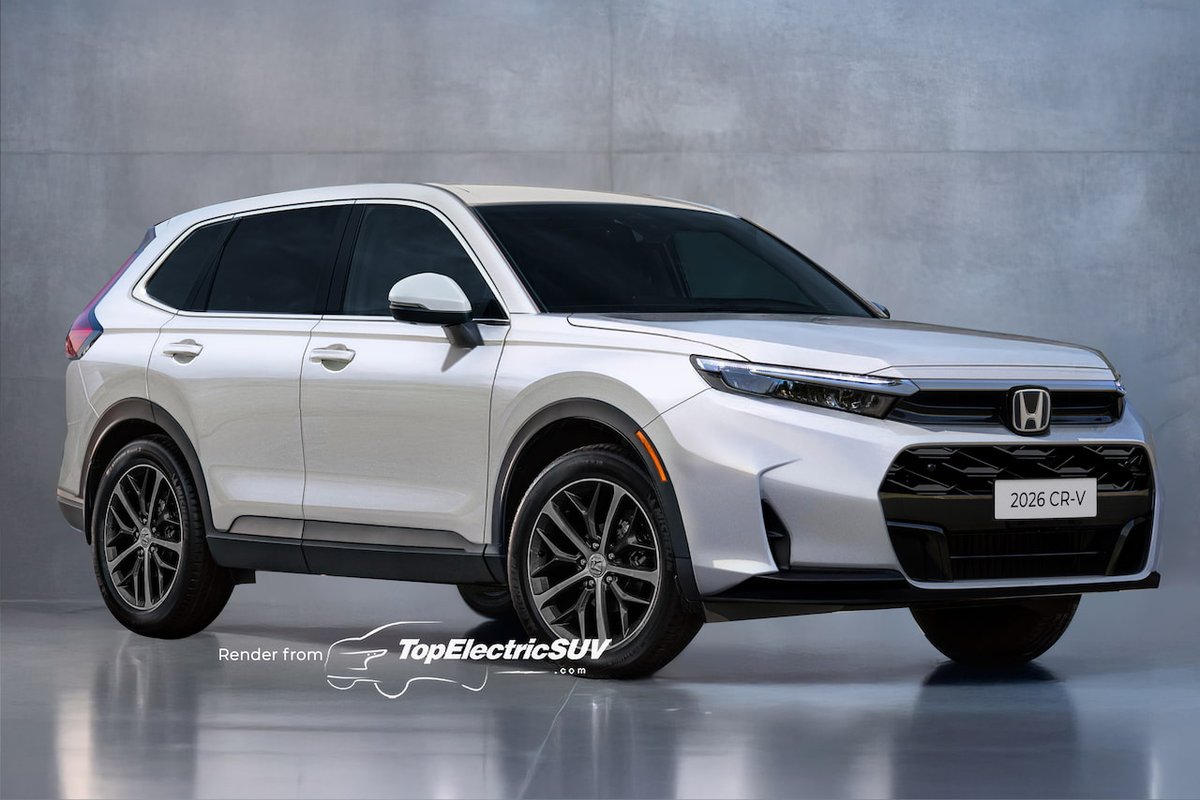
So, you're eyeing a Honda CR-V – smart move. You're probably looking for a vehicle that’s as dependable as your favorite coffee shop, versatile enough for any adventure, and won't break the bank. But with six distinct generations spanning over two decades, the question isn't just "should I get a CR-V?" but rather, "Which Honda CR-V Generation is Right For You? A Comprehensive Buying Guide like this one will help you pinpoint the perfect fit."
The Honda CR-V, or "Compact Runabout Vehicle," has earned its stellar reputation as a go-to compact SUV, a segment it helped define alongside rivals like the Toyota RAV4. Since its U.S. debut as a 1997 model, it’s consistently delivered a winning combination of comfort, reliability, impressive cargo space, and solid fuel economy. It's the ideal choice for everyone from small families and daily commuters to weekend adventurers who value practicality and peace of mind over raw performance or avant-garde styling.
Before we dive deep into the nuances of each generation, here’s a quick overview to get you started:
At a Glance: Your CR-V Buying Cheat Sheet
- Overall Best Years for Reliability: Aim for 2013-2016 or 2020-Present models. These are the sweet spots.
- Years to Approach with Caution: 2017-2019 (particularly 2017) and 2007-2009 showed more reported issues.
- Budget-Friendly Picks: First and Second Generations offer extreme value, though they lack modern features.
- Modern Features on a Budget: Fourth Generation (2012-2016), especially 2015-2016 Touring trims, started introducing advanced safety.
- Best Fuel Economy: Fifth and Sixth Generation Hybrids, or Fourth and Fifth Generation gas models with CVTs.
- Newest Tech & Space: The Sixth Generation (2023-Present) leads the pack, but expect to pay closer to new vehicle prices.
- Trade-off: CR-Vs offer fantastic value and reliability but aren't known for being thrilling to drive or having distinctive looks. Used models hold their value well, meaning slightly higher initial costs, but often lower long-term ownership expenses.
Why the CR-V? A Timeless Choice for Everyday Life
The Honda CR-V didn't just stumble into success; it was engineered for it. Slotting neatly between the smaller HR-V and the larger Passport and Pilot in Honda's lineup, it offers a Goldilocks solution for many. You get a spacious five-passenger interior, a generous cargo area, and a car-like driving experience thanks to its unibody construction. Every CR-V has featured a four-cylinder engine, with most generations offering a choice of front-wheel-drive (FWD) or all-wheel-drive (AWD), ensuring versatility in various climates.
Modern CR-Vs, especially from the mid-2010s onwards, come packed with standard safety features like adaptive cruise control, lane-keeping assist, and blind-spot monitoring, consistently earning "Top Safety Pick" awards from the IIHS. While rivals like the Mazda CX-5 might offer a sportier drive, or a Kia Sportage a bolder design, the CR-V consistently shines in the crucial areas of reliability, safety, and economy. It's the SUV you buy when you want a loyal companion for years to come.
But how do you navigate the evolution of such a popular model? Let’s break down each generation.
Navigating the Generations: Your CR-V Journey Begins
Each CR-V generation brings its own character, advancements, and even a few quirks. Understanding these differences is key to finding your perfect match.
First Generation (1997-2001): The Original Compact Runabout
This is where it all began in the U.S. The first-gen CR-V, based on the robust Honda Civic platform, was a pioneering compact crossover. It arrived with a charming, almost retro appeal and a focus on practicality.
- What Defined It: An iconic side-opening tailgate with an exterior-mounted spare tire (a truly vintage touch!) and a brilliant integrated picnic table tucked into the cargo floor. This was function over form at its best.
- Under the Hood: A modest but peppy 2.0-liter four-cylinder engine producing 126 horsepower and 133 lb-ft of torque. It debuted with a 4-speed automatic, with a 5-speed manual joining the lineup in 1998 for those who preferred more engagement.
- Drivetrain: Initially AWD only in 1997, Honda wisely added a FWD option from 1998 onwards.
- Features: Basic by today's standards, with LX as the initial trim. The EX trim, added later, brought 15-inch wheels and crucial anti-lock brakes.
- Why You'd Love It: Legendary reliability. These things are tanks, often running for hundreds of thousands of miles with proper care. They're hard-wearing, simple to maintain, and a testament to Honda's engineering.
- Used Price Snapshot: High-mileage examples can be found for as little as $2,500, making them incredibly accessible. Well-preserved, lower-mileage originals can fetch $6,000-$9,000, reflecting their cult status and durability.
Best for: Buyers on a strict budget, those who appreciate classic Honda reliability, or anyone looking for a simple, no-frills utilitarian vehicle.
Second Generation (2002-2006): Growing Up Gracefully
Honda gave the CR-V a significant overhaul for its second generation, making it larger and embracing a more conventional SUV aesthetic. This generation retained some of the charm of its predecessor while moving towards broader appeal.
- What Defined It: More passenger space (over three inches of added rear legroom!) and a refined, if slightly more generic, appearance. It kept the vertical taillights and the beloved integrated picnic table.
- Under the Hood: A new 2.4-liter i-VTEC four-cylinder engine, boosting power to 160 horsepower and improving fuel economy to an EPA-rated 26 mpg highway.
- Transmission: It started with a 5-speed manual or 4-speed automatic, with a smoother 5-speed automatic replacing the 4-speed in 2005.
- Safety Evolution: Four-wheel antilock disc brakes and front-row side-impact airbags became standard features, with ABS becoming standard across all trims by 2005.
- Reliability Insights: While the second gen generally has a solid repair record, it's not without its caveats.
- Best Years: The 2005 and 2006 models are often praised. They saw improvements over earlier models, diminished engine problems, and are lauded for their comfort, spaciousness, and dependability.
- Worst Years: The 2002, 2003, and 2004 models had more reported issues, including airbag, AC, and engine troubles, as well as complaints of "loss of acceleration" and harsh transmission shifts. There was even an NHTSA investigation into airbags failing to deploy in 2002-2004 models. This generation generally had a higher number of recalls compared to the first.
- Used Price Snapshot: Clean, lower-mileage examples typically range from $5,000-$12,000, depending heavily on year and condition.
Best for: Buyers needing more space than the first generation but still preferring a pre-modern tech vehicle. Focus on 2005-2006 models for better reliability.
Third Generation (2007-2011): A Smoother, More Conventional Ride
The third generation marked a significant departure in terms of styling and features, pushing the CR-V further into the mainstream SUV category. It shed some of its unique characteristics for a more refined, car-like experience.
- What Defined It: A more curvaceous, less boxy exterior, and a much-appreciated increase in cargo space. Honda ditched the side-opening tailgate and exterior spare tire in favor of a top-hinged liftgate and an under-floor spare. The picnic table and manual gearbox were also removed, a sign of changing times.
- Under the Hood: Still a 2.4-liter four-cylinder, but initially tuned to 166 horsepower (27 mpg highway). A refresh in 2010 bumped it up to 180 horsepower, providing a bit more grunt.
- Transmission: The 5-speed automatic became the exclusive transmission option.
- Features: Basic for today’s standards, but Bluetooth connectivity and a USB port were notable additions to the EX-L trim in 2010.
- Reliability Insights: This generation's reliability record is a bit mixed, with specific years proving more problematic.
- Best Year: The 2009 model is often cited as relatively trouble-free, with fewer complaints about airbags and electrical issues compared to its immediate predecessors.
- Neutral Years: 2010 and 2011 saw fewer major issues than earlier models but still had reports of rear-differential fluid issues, faulty AC compressors, and occasional steering fluid leaks.
- Worst Years: The 2007 and 2008 models had significant complaints, particularly concerning airbags and electrical issues like faulty door lock actuators. There were reports of airbags failing to deploy, leading to an NHTSA investigation that extended across the 2007-2011 range. Dangerous "unwanted acceleration" and under-inflated airbags were also noted concerns.
- Used Price Snapshot: Clean, lower-mileage examples (under 100,000 miles) can be found for $7,000-$11,000, making them a popular choice for budget-conscious buyers seeking a more modern feel. Higher mileage models are available for less.
Best for: Those who want a more modern design and driving experience than the first two generations, but without the higher price tag of newer models. Prioritize 2009 and later years.
Fourth Generation (2012-2016): The Reliability Sweet Spot
Often regarded as one of the CR-V's peak generations for overall reliability and value, the fourth generation struck an excellent balance between modern amenities and proven durability.
- What Defined It: A slightly smaller exterior footprint, yet a cleverly reconfigured interior offered even more passenger and cargo space, including a genuinely flat-folding rear seat – a boon for hauling larger items.
- Under the Hood: A refined 2.4-liter four-cylinder engine producing 185 horsepower, capable of an impressive 30 mpg highway. The engine was re-engineered in 2015 for cleaner emissions.
- Transmission Evolution: Initially paired with a 5-speed automatic, the 2015 model year saw a significant shift to a continuously variable transmission (CVT). This change dramatically improved fuel economy, adding 3-4 mpg to its ratings, but did alter the driving feel.
- Features & Safety Tech: The 2015 refresh brought notable amenities like a power tailgate and a touch-screen infotainment system. Crucially, 2015 also marked the first introduction of Advanced Driver Assistance Systems (ADAS) – including adaptive cruise control with lane keeping, forward automatic emergency braking, and forward collision warnings – though these were initially reserved for the top-tier Touring trim.
- Reliability Insights: This generation generally boasts top-notch reliability, solidifying the CR-V's reputation.
- Best Years: The 2013 and 2016 models stand out. The 2013 is praised for its dependability and fewer mechanical issues, integrating new tech and safety features effectively. The 2016 rectified some of the pitfalls of the 2015 model, with fewer engine problems and improved infotainment/safety.
- Neutral Year: The 2012 model introduced the new aesthetic and features but wasn't quite as universally reliable as the 2013 or 2016.
- Worst Years: The 2014 and 2015 models had more reported issues. The 2014 saw lock actuator problems, defective tire pressure sensors, and front brake grinding. The 2015, despite its tech upgrades, faced engine stalling, unusual engine sounds, shuddering at idle, faulty heaters, and a rather peculiar issue with rodent-attracted soy-based wiring.
- Used Price Snapshot: Expect to pay $14,000-$20,000 for nice examples with under 70,000 miles. Models with 60,000-130,000 miles can be found for $8,000-$15,000. The 2015-2016 Touring models, with their advanced safety features, are often worth the extra investment. For a deeper look at the evolution of Honda's safety features, you might want to explore Honda CR-V generations in detail.
Best for: Buyers prioritizing excellent reliability, good fuel economy, and the convenience of modern safety features (especially in later trims), all at a relatively affordable used price. This is arguably the sweet spot for many used CR-V buyers.
Fifth Generation (2017-2022): Turbo Power and the Hybrid Era
The fifth generation brought a bolder, more contemporary style, increased dimensions, and a significant powertrain shift, including the introduction of the highly anticipated hybrid model.
- What Defined It: A striking redesign with more aggressive styling, noticeably increased rear legroom, and generous cargo capacity. Chassis revisions further refined the comfortable ride. The introduction of a physical volume knob in 2017 was a welcome ergonomic improvement after some user feedback.
- Engine Lineup: The base LX trim initially retained the 2.4-liter four-cylinder (182 hp), while other trims received a new, more efficient turbocharged 1.5-liter four-cylinder (190 hp, up to 34 mpg highway). The 2.4-liter was phased out by 2020.
- The Hybrid Arrives: A landmark moment in 2020 was the introduction of the CR-V Hybrid, combining a 2.0-liter four-cylinder with two electric motors for an impressive 38 mpg combined.
- Safety Takes Center Stage: Honda Sensing suite, Honda’s comprehensive array of safety and driver-assist features, became standard on all models from 2020, making advanced safety accessible across the board.
- Reliability Insights: This generation is a mixed bag, particularly in its early years.
- Best Year: The 2022 model stands out as the culmination of feedback and enhancements, offering an ideal balance of reliability, performance, and tech with fewer reported issues.
- Neutral Years: The 2019 model showed improvements but didn't quite reach the excellence of the 2022. The 2020 model was transitional, marked by the introduction of the hybrid, and had some growing pains.
- Worst Years: The 2017, 2018, and 2021 models saw more problems. The 2017 was particularly plagued with electrical system issues, engine and powertrain problems (including engine stalling and erratic dashboard lights). The 2018 had complaints about service brakes and unexpected engagement. The 2021 model received poor owner ratings citing transmission and electrical system problems.
- Used Price Snapshot: Gas models typically range from $16,000 for earlier models to under $30,000, with a 2022 Touring AWD possibly around $25,000. The 2020-2022 Hybrids command a premium, typically falling between $20,000-$32,000.
Best for: Buyers who want modern styling, strong fuel economy (especially the hybrid), and widespread advanced safety features. Exercise caution with earlier models (2017-2018) and consider the 2022 model as the safest bet in this generation.
Sixth Generation (2023-Present): Redefining the Standard
The newest CR-V arrived with a comprehensive redesign, firmly establishing hybrid power as a cornerstone of its appeal and further refining its role as a segment leader.
- What Defined It: A more rugged and sophisticated exterior, combined with an even larger, more refined cabin. This generation truly focuses on comfort and connectivity.
- Interior Space: Class-leading dimensions, boasting an impressive 41 inches of rear legroom and 39.3 cubic feet of cargo space behind the rear seats (expanding to 76.5 with them folded). The digital dashboard and enhanced connectivity elevate the cabin experience.
- Engine Lineup: The gas-powered option features the familiar turbocharged 1.5-liter four-cylinder (190 hp). However, Honda has strategically positioned the top trims as hybrid-only, emphasizing its future direction.
- Hybrid Drivetrain: The updated hybrid system is a highlight, offering 40 mpg combined, a robust 204 system horsepower, and 247 lb-ft of torque for confident acceleration. AWD remains an option on gas models and is standard on the top Sport Touring hybrid trim.
- Safety Prowess: Building on Honda's legacy, the sixth generation comes standard with adaptive cruise control, traffic jam assist, traffic sign recognition, and low-speed braking control. It earned an IIHS “Top Safety Pick+” in 2023 and “Top Safety Pick” in 2024, with the 2024 model further enhancing pedestrian detection and its e-AWD system.
- Infotainment: While the basic system is solid, top trims feature wireless Apple CarPlay and Android Auto, a significant convenience upgrade.
- Used Price Snapshot: As a very new generation, used models are scarce and command prices close to new vehicle MSRPs. Low-trim gas models start around $25,000 (averaging $32,000), while hybrids typically range from $36,000-$40,000.
Best for: Buyers who want the absolute latest in design, technology, safety, and fuel efficiency, with an emphasis on a premium interior experience. If your budget allows for a nearly new vehicle, this is the CR-V for you.
Making Your Choice: Key Factors to Weigh
Now that you've got a lay of the land, how do you decide which generation truly aligns with your needs and budget?
Budget & Value: How Much Are You Willing to Spend?
The CR-V's reputation for holding its value means that "used" doesn't always mean "cheap." You'll often pay more for a used CR-V than some competitors, but that investment usually pays off in lower long-term maintenance and excellent resale when you eventually sell it.
- Under $10,000: Look at well-maintained First, Second, and Third Generations (especially 2009+). Be prepared for higher mileage and fewer modern amenities. Focus on mechanical condition over aesthetics.
- $10,000 - $20,000: The sweet spot for Fourth Generation models. You can find solid, reliable examples with moderate mileage and some modern comforts, particularly the later 2015-2016 Touring trims with ADAS.
- $20,000 - $30,000: This range opens up the Fifth Generation. You can find excellent 2019-2022 gas models, and even some earlier 2020-2021 hybrids, often with Honda Sensing standard.
- $30,000+: You're looking at higher-trim Fifth Generation Hybrids or entry-to-mid-level Sixth Generation models. At this price point, you're getting very close to new vehicle territory, offering the latest in tech and safety.
Desired Features & Technology: What Can't You Live Without?
Honda has steadily added features, and what was luxury in one generation is standard in another.
- Basic Transportation: First and Second Generations offer reliable point-A-to-point-B functionality without distractions.
- Bluetooth & USB: Look to the later Third Generation (2010+) and Fourth Generation for basic connectivity.
- Touchscreen Infotainment & Power Tailgate: The 2015-2016 Fourth Generation models added these conveniences.
- Advanced Driver Assistance Systems (ADAS): Crucial for modern safety. The 2015-2016 Fourth Gen (Touring trim only) was the first to offer it. It became broadly available in the Fifth Gen (standard from 2020) and is comprehensive in the Sixth Gen.
- Wireless CarPlay/Android Auto: A hallmark of the latest Sixth Generation.
Fuel Economy: Gasoline or Hybrid?
The CR-V has always been relatively fuel-efficient for an SUV, but the numbers have improved dramatically over time.
- Older Generations: Expect mid-20s mpg combined.
- Fourth & Fifth Gen (Gas): Mid-to-high 20s, topping out around 30-34 mpg highway with the CVT and turbo engines.
- Fifth & Sixth Gen (Hybrid): The big leap. Expect combined ratings in the high 30s to 40 mpg. If fuel savings are a top priority, a hybrid is your best bet, though you'll pay more upfront.
Reliability & Maintenance Concerns: Avoiding Headaches
While the CR-V is known for reliability, specific years and generations have had their quirks.
- Overall Strongest: First Gen (for its simplicity), Fourth Gen (2013, 2016), and the newest Sixth Gen.
- Years to be Wary Of:
- 2002-2004: Airbag, AC, engine issues.
- 2007-2008: Airbag deployment issues, electrical problems.
- 2014-2015: Lock actuators, specific engine issues (shudder, stalling, wiring).
- 2017-2018, 2021: Early Fifth Gen models with electrical, engine, and brake issues.
- Research Specific Issues: For any CR-V you're considering, do a quick online search for "[year] Honda CR-V common problems" and check NHTSA recall databases. This granular research can save you significant headaches down the line.
Driving Experience: Comfort vs. Sportiness
Honda CR-Vs have always prioritized comfort and practicality. You'll find a smooth, compliant ride, easy maneuverability, and good visibility across generations. What you won't typically get is a "sporty" or "engaging" drive. The CR-V aims for pleasant and predictable, not thrilling. If you value a more spirited driving experience, alternatives like a Mazda CX-5 might be more up your alley, but you'd be trading some of the CR-V's renowned practicality and reliability.
Smart Shopping: What to Look For in a Used CR-V
Once you’ve narrowed down your preferred generation and model year, it’s time for some hands-on investigation.
- Service Records are Gold: A well-documented maintenance history is the clearest sign of a cared-for vehicle. Look for regular oil changes, transmission fluid changes (especially important for CVTs), and brake service.
- Pre-Purchase Inspection (PPI): This is non-negotiable. Have an independent mechanic (preferably one familiar with Hondas) inspect the vehicle. They can spot common issues for that generation (e.g., rust on older models, AC compressor issues on Third Gens, CVT health on Fourth/Fifth Gens).
- Test Drive Thoroughly:
- Listen for unusual noises: Engine knocks, transmission clunks, suspension squeaks.
- Feel the transmission: Pay attention to shifts (automatics) or any shuddering/hesitation (CVTs).
- Check all electronics: Test every button, window, and light. For 2007-2008 and 2017-2018 models, pay extra attention to electrical functions and dashboard warnings.
- Brake check: Ensure smooth, linear braking without pulsation or pulling.
- AWD check (if applicable): While hard to test fully, listen for clunks or binding during low-speed turns, which could indicate rear differential issues (especially in Third Gen).
- Check for Recalls: Use the VIN to check for any outstanding recalls on the NHTSA website.
- Examine the Interior & Exterior: Look for signs of neglect, significant rust (especially on older models in rust-prone areas), mismatched paint (sign of accident repair), and interior wear that doesn't match the mileage.
Beyond the CR-V: Other Contenders to Consider
While the Honda CR-V consistently ranks among the top compact SUVs, it's wise to be aware of its competition. The Subaru Forester offers standard AWD and excellent visibility. The Toyota RAV4 is its perennial rival, matching its reliability and now with a strong hybrid lineup. The Mazda CX-5 offers a more premium feel and engaging drive. The Kia Sportage and Hyundai Tucson boast attractive warranties and bolder designs.
However, the CR-V's enduring appeal lies in its nearly unrivaled blend of practicality, comfort, safety, and rock-solid reliability that makes it a perennial favorite. It’s a vehicle designed to serve you well, year after year.
Your Next Steps: Driving Home in the Right CR-V
Choosing the right Honda CR-V generation is a personal decision, balancing budget, desired features, and reliability concerns. Whether you opt for the utilitarian charm of a First Gen, the dependable value of a Fourth Gen, or the cutting-edge tech of a Sixth Gen Hybrid, you're making a wise investment in a vehicle known for its longevity and owner satisfaction.
Armed with this comprehensive guide, you’re ready to hit the used car market with confidence. Take your time, do your due diligence, and remember that the "best" CR-V is the one that best fits your life and your needs. Happy hunting – your perfect compact runabout awaits!