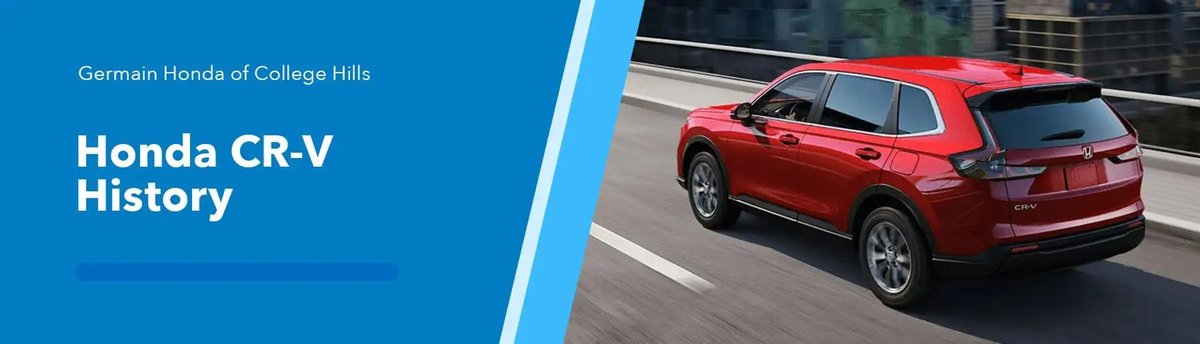
Few vehicles have shaped the automotive landscape quite like the Honda CR-V. Since its U.S. debut in 1997, it's not just been a bestseller; it pioneered and then continually redefined the compact SUV segment, a category now teeming with competitors. For anyone looking to understand this enduring icon, a detailed Overview of All Honda CR-V Generations (Timeline & Key Changes) is essential. It's a journey through engineering, design, and market evolution that shows how Honda's "Comfortable Runabout Vehicle" consistently stayed ahead of the curve.
At a Glance: Key Takeaways from the CR-V's Evolution
- Pioneer Status: Launched in 1997, it practically invented the modern compact SUV, offering car-like handling with SUV practicality.
- Consistent Growth: Each generation brought increased size, power, and refinement, moving from a niche offering to a mainstream bestseller.
- Safety First: Honda progressively integrated advanced safety features, culminating in the widespread availability of Honda Sensing®.
- Efficiency Focus: From VTEC engines to Earth Dreams Technology™ and the introduction of hybrid powertrains, fuel economy has been a constant priority.
- Tech Evolution: Basic amenities evolved into sophisticated infotainment systems with Apple CarPlay® and Android Auto™, and advanced driver-assist systems.
- Hybrid Power: The CR-V Hybrid emerged as a significant offering, now a cornerstone of the lineup, with an FCEV future on the horizon.
The CR-V Story: From Niche to Nation's Favorite
When the Honda CR-V first rolled onto American roads, the term "compact SUV" wasn't even common parlance. Buyers were often forced to choose between rugged, truck-based SUVs or practical, but less adventurous, sedans and wagons. Honda saw a gap, offering a unibody crossover that blended the best of both worlds: a comfortable, car-like ride with the added utility and capability of an SUV.
This innovative approach quickly paid off. The CR-V rapidly became America's best-selling CUV (Crossover Utility Vehicle) and has held its position as the best-selling Honda vehicle every year since 2017. With nearly 6 million units sold in the U.S. alone, its impact is undeniable. Understanding its journey, generation by generation, reveals a masterclass in automotive adaptation and innovation. For an even broader look at the lineup, you can explore the evolution across All Honda CRV generations.
First-Generation CR-V (1997 – 2001): The Trailblazer
The original CR-V wasn't just a new model; it was a new concept. Honda designed it to offer a driving experience more akin to a sedan than a traditional SUV, a direct benefit of its unibody construction and four-wheel independent suspension.
Key Innovations & Features:
- Car-Like Dynamics: Its underlying architecture provided a smooth, stable ride that immediately set it apart from its truck-based contemporaries.
- Real Time™ 4WD: This innovative all-wheel-drive system automatically engaged when wheel slip was detected, offering added traction without constant engagement, thus saving fuel.
- Practical Touches: Features like 8.1 inches of ground clearance, a 4-speed automatic transmission, cruise control, and a surprising 67.2 cubic feet of cargo space made it highly functional. Its most famous quirky feature? A rear cargo floor that ingeniously doubled as a foldout picnic table.
- Initial Power: Under the hood, a 2.0-liter DOHC 4-cylinder engine delivered 126 horsepower.
- Distinctive Styling: High-mounted tall taillights became an instant visual signature.
Mid-Cycle Updates: - 1998: Honda expanded its appeal by adding a 2WD version and a 5-speed manual transmission option.
- 1999: A crucial power bump saw the 2.0-liter engine's output increase to a more robust 146 horsepower, enhancing its highway performance and overall driving experience.
This generation laid the groundwork, proving that buyers craved a versatile, comfortable vehicle that could handle daily commutes and weekend adventures with equal ease.
Second-Generation CR-V (2002 – 2006): Growing Pains and Safety Gains
The second-generation CR-V arrived with a significant redesign, building on the success of its predecessor. It adopted Honda's Global Compact Platform, which it shared with the Civic and Element, allowing for improved efficiency and packaging.
Key Developments:
- Increased Size & Comfort: The new platform allowed the CR-V to grow larger, directly translating to improved interior comfort for passengers and increased cargo utility.
- All-New Engine: Honda introduced a more powerful 2.4-liter i-VTEC 4-cylinder engine, producing 160 hp and a healthy 162 lb.-ft. of torque. This engine offered better acceleration and highway cruising ability.
- Enhanced Transmissions: While initially retaining a 4-speed automatic and 5-speed manual, a 5-speed automatic transmission became standard in 2005, providing smoother shifts and better fuel economy.
- Significant Safety Upgrades: Safety became a major focus. Front side airbags became available on the LX trim and standard on the EX. By the end of this generation, all CR-Vs were equipped with essential safety features like front side airbags, side curtain airbags, and Vehicle Stability Assist (VSA) with Traction Control.
- Sales Milestone: During this generation, Honda celebrated selling its one-millionth CR-V in the U.S., a testament to its growing popularity.
The second-gen CR-V matured considerably, shedding some of its initial quirkiness for a more refined, spacious, and safety-conscious package.
Third-Generation CR-V (2007 – 2011): Refinement and Mainstream Appeal
The 2007 CR-V marked another substantial leap, pushing the vehicle further into the mainstream and solidifying its position as a top-tier compact SUV. Design and engineering changes aimed at greater refinement and practicality.
Major Updates:
- Design Evolution: The most noticeable change was the complete redesign of the rear, moving the spare tire from the tailgate (where it sat exposed in previous generations) to under the vehicle. This allowed for a new, conventional top-hinged tailgate, improving aesthetics and accessibility.
- Power and Transmission: The familiar 2.4-liter 4-cylinder engine received a bump to 166 hp, paired exclusively with a 5-speed automatic transmission, available in FWD or AWD configurations. The manual option was gone, reflecting market preference.
- Enhanced AWD: The Real Time™ AWD system was further enhanced, offering improved responsiveness and capability in varying conditions.
- Advanced Safety Structure: The body incorporated Honda's Advanced Compatibility Engineering™ (ACE™) Body Structure, designed to enhance occupant protection in various frontal crash scenarios.
- North American Production: Production of the CR-V for the U.S. market began in East Liberty, Ohio, signifying its importance to Honda's North American operations.
- Best-Selling Status: For the first time, the CR-V became America's best-selling SUV, a clear indicator of its widespread appeal.
2010 Refresh: - Power Boost: A mid-cycle refresh in 2010 saw the 2.4-liter engine's output increase again, this time to a robust 180 hp, further improving performance.
- Sales Continues to Climb: Honda sold its two-millionth CR-V in the U.S. during this successful generation, underscoring its growing legacy.
Fourth-Generation CR-V (2012 – 2016): Efficiency and Tech Forward
The fourth-generation CR-V, debuting in 2012, focused on dynamic appearance, interior sophistication, and, crucially, greater fuel efficiency. Honda understood that practicality and economy were becoming even more important to buyers.
Initial Offerings:
- Refined Power: It carried over an updated 2.4-liter i-VTEC 4-cylinder engine, now rated at 185 hp and 163 lb.-ft. of torque, optimized for better economy.
- Standard Tech: Honda made a suite of tech features standard, including two information screens, Bluetooth® HandsFreeLink® for seamless connectivity, and a multi-angle rearview camera, which significantly aided parking and safety.
- Intelligent AWD: An all-new Real Time™ AWD with Intelligent Control System™ was introduced, providing even more proactive and efficient power distribution to the wheels.
2015 Mid-Cycle Facelift: A Significant Upgrade
The 2015 facelift was more than just a cosmetic tweak; it introduced substantial powertrain and safety technology advancements. - New Drivetrain: The biggest change was a direct-injected Earth Dreams Technology™ 2.4-liter DOHC i-VTEC engine. While maintaining 185 hp, it saw a significant torque increase to 181 lb.-ft., providing a more responsive feel. This engine was paired with the CR-V's first continuously variable transmission (CVT), designed for optimal fuel efficiency.
- Honda Sensing® Debuts: A landmark moment for CR-V safety, the Honda Sensing® suite of safety and driver-assistive features made its debut on the top-tier Touring trim. This included crucial technologies like the Collision Mitigation Braking System™ (CMBS™) and Lane Keeping Assist System (LKAS), signaling Honda's commitment to active safety.
This generation marked a pivotal shift, blending Honda's trusted reliability with modern technology and a strong emphasis on driver assistance.
Fifth-Generation CR-V (2017 – 2022): Turbo Power and Hybrid Arrival
The fifth-generation CR-V launched in 2017 with a bold new styling direction and a focus on a more spacious, premium interior experience. It was a clear signal that the CR-V was ready to compete vigorously in an increasingly crowded segment.
Key Highlights:
- First-Ever Turbo Engine: For the first time, the CR-V offered an available turbocharged engine: a 1.5-liter Turbo DOHC 4-cylinder, delivering an impressive 190 hp and 179 lb.-ft. of torque. This engine, standard on EX and higher trims, provided strong performance and improved fuel efficiency. The base LX model retained a 2.4-liter naturally aspirated engine.
- Sole Transmission: The CVT became the sole transmission choice across the lineup, further refining fuel economy.
- Enhanced Convenience & Connectivity: Features like a Hands Free Access Power Tailgate added convenience, while Display Audio with Apple CarPlay® and Android Auto™ made smartphone integration seamless.
- Wider Honda Sensing® Adoption: Honda Sensing® became standard on EX and higher trims, making advanced safety technology accessible to a larger percentage of CR-V buyers.
2020 Mid-Cycle Refresh & Hybrid Introduction: - First CR-V Hybrid: The 2020 model year brought a significant expansion with the introduction of the first-ever CR-V Hybrid. This model featured a two-motor hybrid system, offering enhanced fuel efficiency and a more powerful, immediate driving experience.
- Standard Honda Sensing: As part of the refresh, the entire CR-V lineup received updated styling and, crucially, Honda Sensing® became standard on all grades, from the entry-level LX up. This made the CR-V one of the safest vehicles in its class, regardless of trim.
The fifth generation was a testament to the CR-V's willingness to embrace new technologies, from forced induction to electrification, to meet evolving consumer demands.
Sixth-Generation CR-V (2023 – Present): Rugged, Refined, and Electrified Future
The current sixth-generation CR-V, launched for the 2023 model year, represents another significant evolution, showcasing a more rugged yet sophisticated exterior design, increased interior space, and updated performance. Honda leaned into a bolder aesthetic while doubling down on its hybrid strategy.
Current Generation Features:
- Updated Powertrain (Non-Hybrid): Non-hybrid models continue to use an updated 1.5-liter turbocharged 4-cylinder engine, producing 190 hp and paired with a refined CVT, offering a balance of power and efficiency.
- Advanced Hybrid System: Hybrid-electric models are now projected to represent 50% of annual sales, highlighting their importance. They feature an all-new, more advanced fourth-generation two-motor hybrid system. This system combines a 2.0-liter Atkinson cycle 4-cylinder engine with direct fuel injection and two powerful electric motors, generating a combined 204 hp and 247 lb.-ft. of torque. This is coupled with an innovative dual-speed transmission for improved responsiveness.
- Most Spacious Interior: The interior offers the most cabin and cargo space in CR-V history, emphasizing passenger comfort and utility.
- Modern Cockpit: Standard digital instrument display and Apple CarPlay®/Android Auto™ compatibility (wireless on higher trims) ensure a modern, connected driving experience.
- Rugged-Sophisticated Design: The exterior adopts a more robust and aggressive stance, moving away from some of the softer lines of previous generations.
Looking Ahead: The FCEV Future (2024) - Hydrogen Fuel Cell Electric Vehicle (FCEV): In 2024, Honda will begin production of an all-new hydrogen fuel cell electric vehicle (FCEV) based on the CR-V. This ambitious project marks North America's first production vehicle to combine a plug-in feature with FCEV technology, showcasing Honda's commitment to a diverse range of sustainable powertrains and pushing the boundaries of zero-emission mobility.
This generation truly redefines the CR-V, making it a powerful contender in the electrified future while retaining the core values of practicality and reliability that have defined it for decades.
Why the CR-V Endures: A Legacy of Adaptation
From its initial splash as a segment-defining compact SUV to its current role as a leader in electrification, the Honda CR-V's journey is a case study in consistent adaptation. Its enduring popularity isn't accidental; it's the result of Honda's unwavering commitment to:
- Reliability: The CR-V has consistently ranked high in reliability studies, building trust with millions of owners.
- Practicality: Each generation has improved cargo space, interior flexibility, and ease of use, making it a supremely functional family vehicle.
- Safety: Honda's steady integration of advanced safety features, culminating in the widespread Honda Sensing suite, reflects a deep commitment to occupant protection.
- Efficiency: From refined i-VTEC engines to Earth Dreams Technology and, now, sophisticated hybrid powertrains, the CR-V has always strived for optimal fuel economy.
- Value: It consistently offers a strong balance of features, performance, and long-term ownership costs, making it a smart choice for a wide range of buyers.
The CR-V isn't just a vehicle; it's a testament to understanding what people need and delivering it consistently, evolving with technology and market trends while staying true to its core identity.
Choosing Your CR-V: Navigating the Generations
Deciding which CR-V generation is right for you depends on your priorities and budget.
- Budget-Friendly & Basic Utility (First & Second Gen): If you're looking for an affordable, reliable vehicle for light duty, the first or second generation offers excellent value. You'll get fundamental practicality, but miss out on modern safety and tech features.
- Refinement and Proven Reliability (Third Gen): The third generation is often considered a sweet spot for used buyers, offering a significant jump in refinement, a more conventional tailgate, and solid reliability, albeit with older tech.
- Modern Efficiency & Early Tech (Fourth Gen): If you want improved fuel efficiency (especially the 2015+ models with the CVT and Earth Dreams engine) and the introduction of advanced safety like Honda Sensing (Touring trim), the fourth generation is a strong contender.
- Turbo Power & Hybrid Options (Fifth Gen): For a more contemporary driving experience, the efficiency of a turbo engine, or the groundbreaking introduction of the CR-V Hybrid, the fifth generation offers a compelling package with standard Honda Sensing on most trims post-refresh.
- Cutting-Edge & Electrified (Sixth Gen): If you demand the latest in design, interior space, safety tech, and especially the most advanced hybrid system, the current sixth generation is your best bet, offering a glimpse into Honda's electrified future.
No matter which generation you consider, the CR-V has proven its mettle as a versatile, dependable companion for millions of drivers. It's a vehicle that adapted, innovated, and consistently delivered on its promise of comfort and utility, ensuring its place as a true automotive legend.