The Honda CR-V has carved out a significant niche in the automotive landscape, becoming a household name synonymous with reliability, practicality, and enduring value. Since its U.S. debut in 1997, this compact crossover SUV has consistently ranked among the best-selling vehicles, deftly balancing the rugged appeal of an SUV with the comfortable, efficient ride of a sedan. Built on the adaptable Honda Civic platform, the CR-V has evolved through six distinct generations, each bringing innovations and refinements that cemented its status as a leader in a competitive segment.
From its humble beginnings to its current sophisticated form, the CR-V's journey reflects a continuous commitment to meeting the changing needs of drivers and families. Whether you're a long-time owner, considering a used model, or curious about its latest iterations, understanding the evolution of this iconic vehicle provides valuable insight into its enduring appeal. To truly grasp the scope of its journey, we invite you to Explore CR-V generations and changes that have shaped its legacy.
The Genesis Years: Forging a New Path (1997-2006)
The first two generations of the Honda CR-V laid the groundwork for its future success, introducing a revolutionary concept: an SUV that handled like a car. The 1st Generation (1997-2001) arrived with a practical mindset, offering a 2.0-liter engine, fold-down rear seats, and even a floor-stashed picnic table – a nod to its versatile, adventure-ready spirit. While initial power was modest, updates quickly brought more horsepower and aesthetic refinements.
The 2nd Generation (2002-2006) ushered in a complete redesign, enhancing its platform, increasing roominess, and boosting engine output. This era saw improvements in safety equipment and interior comforts, making it an even more attractive option for families. Transmission options evolved, and a facelift brought modern touches like 16-inch wheels and steering wheel audio controls. For a deeper dive into these foundational models, uncover the full story of the First & Second Generation Honda.
Stepping Up: Refinement and Practicality (2007-2016)
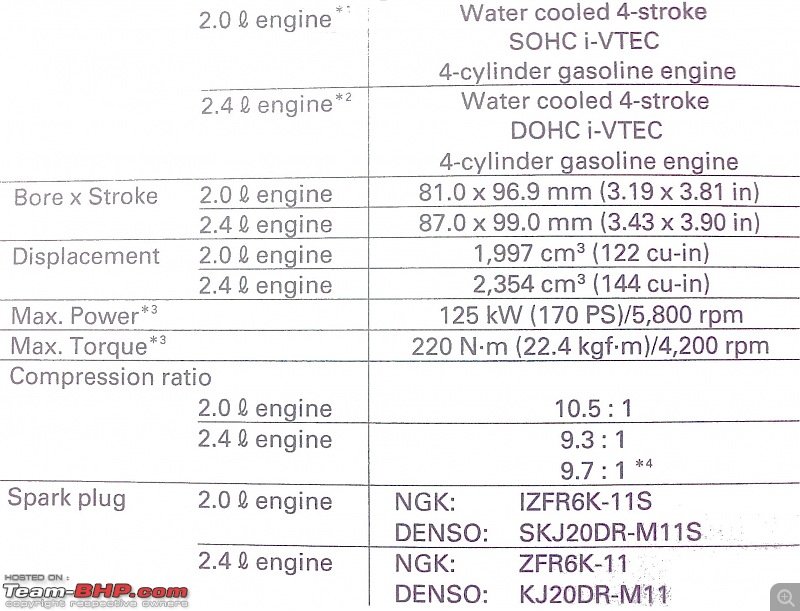
The mid-life of the Honda CR-V saw it mature significantly, both in design and technological offerings. The 3rd Generation (2007-2011) marked a pivotal shift, replacing the smaller engine with a more potent 2.4-liter unit and ditching the side-opening rear door for a conventional liftgate. This generation prioritized refinement, with a redesigned exterior, updated interior fabrics, and the introduction of advanced features like USB audio input and optional navigation with Bluetooth. Power output for the 2.4L engine steadily increased, providing a more confident drive.
The 4th Generation (2012-2016) continued this trajectory of enhancement. While carrying over the 2.4-liter engine, it refined its output and later introduced a continuously variable transmission (CVT) for improved fuel efficiency with its 2015 facelift. This update also brought direct fuel injection, an enhanced suspension, superior handling, and better sound insulation, demonstrating Honda’s commitment to continuous improvement. To understand how these models refined the CR-V's identity, explore the Third & Fourth Generation Honda.
The Modern Era: Turbocharging and Hybrid Power (2017-2022)
The fifth generation brought the CR-V firmly into the modern automotive age, embracing new platforms, forced induction, and eventually, electrification. The 5th Generation (2017-2022) debuted with a more aggressive stance and a slightly larger footprint, sharing its compact global platform with the 10th-generation Civic. This generation introduced a new turbocharged 1.5L four-cylinder engine alongside the familiar 2.4L, offering a blend of power and efficiency. The CVT became the sole transmission option, ensuring smooth power delivery.
A significant milestone arrived with the 2020 facelift: the introduction of the first CR-V Hybrid, pairing a 2.0L engine with electric motors for enhanced power and fuel economy, offered exclusively with AWD. This era also standardized the Honda Sensing suite of active safety features, making advanced driver assistance accessible to more owners. Delve deeper into the innovations of the Fifth Generation Honda CR-V (2017-2022.
Looking Ahead: Redefined and Ready (2023-Present)
The latest chapter in the CR-V's storied history began with the 6th Generation (2023-Present), unveiled as a 2023 model year vehicle. This generation represents a top-to-bottom redesign, adopting a sleek, contemporary Honda family look. It's larger than its predecessors, offering even more passenger and cargo space, with an emphasis on ergonomic design and a sophisticated interior. The cabin features modern touches like honeycomb-textured trim and a suite of advanced tech, including a partially digital gauge cluster and an intuitive touchscreen infotainment system with standard Apple CarPlay/Android Auto.
Under the hood, the 1.5L turbo-four continues to be the standard, paired with a CVT, while the hybrid powertrain receives an entirely new, more powerful 204-hp system with Honda’s latest dual-speed transmission. Safety remains paramount, with a comprehensive suite of standard driver-assistance features. With new trims like the Sport-L and the announced TrailSport on the horizon, the sixth-generation CR-V is poised to continue its legacy of innovation and adaptability. To stay current with the newest offerings and features, be sure to Explore the latest CR-V Discover new advancements in its ongoing evolution.
The Honda CR-V’s journey through its generations is a testament to Honda's ability to consistently reinvent and refine a winning formula. From its original modest intentions as a Civic-based crossover to its current position as a sophisticated and eco-conscious family hauler, the CR-V has adapted with the times, always prioritizing what matters most to its drivers: reliability, versatility, and comfort. As it continues to evolve, we can expect the CR-V to remain a compelling choice for years to come, setting benchmarks in its class and continuing its impressive legacy.