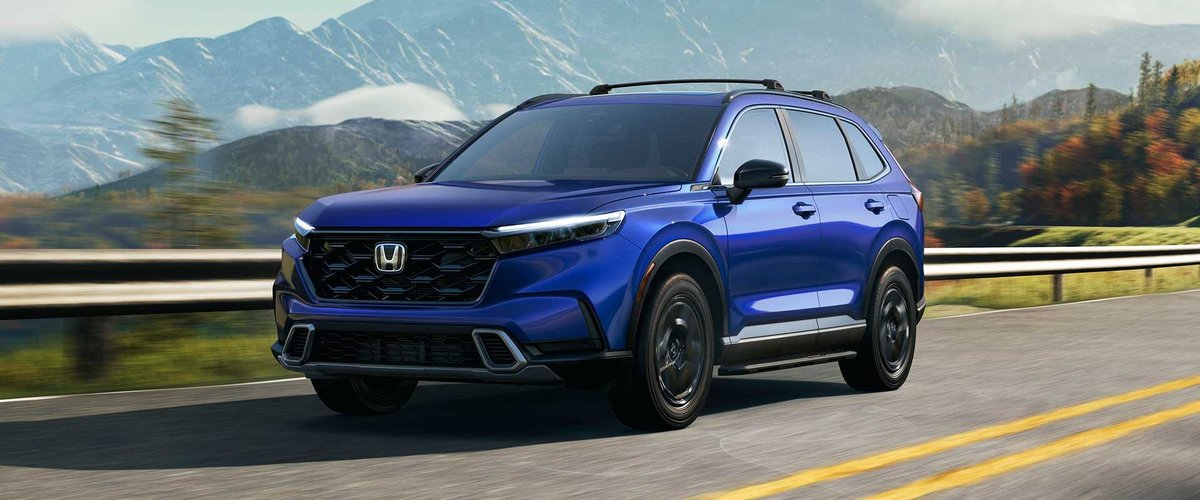
The Honda CR-V isn't just another compact SUV; it's a legend, a testament to Honda's ability to blend practicality, reliability, and everyday comfort into a single, immensely popular package. While the CR-V has evolved through six distinct generations, its enduring appeal truly began with the foundational First & Second Generation Honda CR-V (1997-2006): The Origins. These early models laid the groundwork for what would become one of the best-selling SUVs globally, proving that you don't need a massive, truck-based vehicle for adventure and family life.
Before the CR-V dominated suburban landscapes and became a staple for commuters and adventurers alike, it was an ambitious experiment, Honda's very first in-house developed SUV. It captured the zeitgeist of a growing market hungry for vehicles that offered the versatility of an SUV without the cumbersome size or fuel consumption of traditional trucks. This guide dives deep into the two generations that launched a phenomenon, exploring their unique features, engineering triumphs, and lasting legacy.
At a Glance: Your Early CR-V Blueprint
- First-Gen (1997-2001) - The Trailblazer: Introduced a 126-hp 2.0L engine, 4-speed auto, and AWD initially. Later added a manual option, FWD, and a power bump to 146 hp. Famous for its under-floor picnic table.
- Second-Gen (2002-2006) - The Refinement: Grew slightly, received a more powerful 160-hp 2.4L i-VTEC engine (shared with the Civic), revised suspension, and a 5-speed automatic in later years. Kept the beloved picnic table.
- Core Appeal: Both generations offered unparalleled reliability, practical cargo space, car-like handling, and impressive fuel efficiency for their time.
- Why They Endure: These models are still sought after for their robust build quality, ease of maintenance, and surprisingly capable AWD systems, making them fantastic value in the used car market.
- The "CR-V" Name: Often cited as "Comfortable Runabout Vehicle" or "Compact Recreational Vehicle," perfectly encapsulating its dual nature.
The Genesis Story: How the CR-V Changed the Game
Imagine the mid-1990s. SUVs were gaining traction, but many were still bulky, truck-based behemoths. Honda, a brand synonymous with efficient, well-engineered cars, saw a gap. They envisioned a vehicle that combined the utilitarian benefits of an SUV – higher driving position, cargo capacity, optional all-wheel drive – with the ride comfort, handling, and fuel economy of a compact car. This vision became the CR-V.
Its internal designation, RD1, kicked off design work in 1995, aiming to carve out a new niche. This wasn't just a rebadged truck; it was a ground-up development, Honda's bold foray into a burgeoning market segment they would eventually define. When it debuted in North America at the 1996 Chicago Auto Show, the industry took notice. Here was an SUV that didn't feel like a compromise; it felt like an intelligent evolution.
The name itself has a few origin stories, all pointing to its foundational purpose. Early Japanese press releases leaned into "Comfortable Runabout Vehicle," highlighting its ease of daily use. UK releases often used "Compact Recreational Vehicle," emphasizing its weekend adventure potential. Regardless of the exact interpretation, the essence was clear: this was a versatile, user-friendly vehicle designed for a dynamic lifestyle. For a deeper dive into how the CR-V line has evolved over the decades, you might find our comprehensive Honda CRV generations guide helpful.
First Generation (1997-2001): The Trailblazer RD1
When the first-generation CR-V hit North American showrooms in February 1997 as a 1997 model year vehicle, it was an instant hit. It offered a refreshing alternative to traditional SUVs, embodying a more practical and accessible approach to the segment.
Debut and Initial Specs: Simplicity Meets Ingenuity
Initially, the CR-V kept things straightforward. You got a lively, if not overpowered, 2.0-liter 4-cylinder engine producing 126 horsepower. This engine was paired exclusively with a four-speed automatic transmission and Honda's Real Time 4WD system, which automatically sent power to the rear wheels when the front wheels lost traction. This wasn't a hardcore off-roader, but it was perfectly capable for snowy commutes, gravel roads, and light trail use.
Key features that resonated with buyers included:
- Compact Footprint: Easy to maneuver and park in urban environments, a stark contrast to larger SUVs.
- Car-Like Ride: Thanks to its unibody construction and four-wheel independent suspension (a rarity for SUVs at the time), it drove more like a sedan than a truck.
- Practical Interior: Despite its compact size, the interior felt remarkably spacious, with clever storage solutions.
Evolution and Refinements: Responding to Demand
Honda wasn't content to rest on its laurels. Based on early feedback, they quickly broadened the CR-V's appeal:
- 1998 Additions: For the 1998 model year, Honda introduced a five-speed manual transmission option, appealing to drivers who preferred more engagement. Crucially, a front-wheel-drive (FWD) variant also became available, offering a more affordable and fuel-efficient choice for those who didn't need AWD.
- 1999 Power Boost: Recognizing that 126 hp was a bit modest, Honda upgraded the 2.0-liter engine for the 1999 model year, bumping output to a more respectable 146 horsepower. This improved acceleration and made highway cruising more comfortable.
The Picnic Table: A Quirky Icon
Perhaps one of the most beloved and quirky features of the first-gen CR-V was the collapsible picnic table, cleverly stored under the rear cargo area floor. This wasn't just a marketing gimmick; it was a genuinely useful accessory that embodied the CR-V's "recreational vehicle" spirit. Imagine pulling up to a scenic overlook, unfolding your table, and enjoying a meal – it added a unique charm that few competitors could match. It became a hallmark of early CR-V ownership and a fond memory for many.
Special Edition (SE) Trim: A Touch of Class
In its final model year, 2000, Honda introduced the Special Edition (SE) trim. This package added a touch of luxury and refinement, including:
- Leather-trimmed seating surfaces.
- An upgraded stereo system.
- Subtle chrome exterior accents.
- Body-color exterior elements (bumpers, side cladding) that gave it a more cohesive and upscale look compared to the standard models' contrasting gray trim.
What Made It Special: Enduring Appeal
The first-generation CR-V carved out a niche by being:
- Reliable: Built with Honda's legendary engineering, these vehicles were known for their durability and longevity.
- Practical: Ample cargo space, comfortable seating for four (five in a pinch), and that iconic picnic table made it incredibly versatile.
- Fuel-Efficient: For an SUV of its era, its fuel economy was impressive, especially with the FWD manual option.
- Easy to Drive: Its car-like dynamics made it approachable for drivers accustomed to sedans.
Practical Guidance for 1st Gen Owners/Buyers:
If you're looking at a first-gen CR-V today, here's what to keep in mind:
- Common Issues: Watch for rust, especially in colder climates where salt is used. The timing belt (on the 2.0L engine) needs regular replacement every 90,000-105,000 miles; ensure this service has been performed. Check for oil leaks around the distributor.
- Maintenance: These engines thrive on regular oil changes. The Real Time 4WD system also requires periodic fluid changes for the rear differential.
- Enduring Appeal: Many enthusiasts love the first gen for its straightforward mechanics, boxy charm, and excellent sightlines. Parts are generally available, and they're relatively easy for a DIY mechanic to work on.
Second Generation (2002-2006): Building on Success, Refining the Formula
Following the strong success of the original, the second-generation CR-V, launched in 2002, wasn't a radical departure but a thoughtful evolution. It aimed to build on the strengths of its predecessor while addressing areas for improvement, staying competitive in a rapidly expanding compact SUV market.
Launch and Key Upgrades: Bigger, Stronger, Smarter
The second-gen CR-V arrived with noticeable improvements. It was about an inch wider and longer than the first generation, contributing to a more spacious interior and a slightly more substantial road presence. The styling was a bit softer and more rounded, aligning with early 2000s automotive aesthetics, yet it retained the familiar CR-V silhouette.
Crucially, under the hood lay the biggest change: a brand-new 2.4-liter four-cylinder engine.
Engine Deep Dive: The 2.4-liter K-Series and i-VTEC
Honda swapped the previous generation's B-series engine for a more modern 2.4-liter K-series engine. This engine was a significant upgrade, delivering a robust 160 horsepower – a substantial jump from the outgoing 146 hp. More than just raw power, this new engine featured Honda's intelligent Variable Valve Timing and Lift Electronic Control, or i-VTEC.
- What is i-VTEC? Unlike earlier VTEC systems that primarily optimized valve timing for high-RPM power, i-VTEC is a more sophisticated system that continuously adjusts both valve timing and lift. This results in a broader, flatter torque curve, meaning more usable power across the RPM range. For drivers, this translated to better acceleration, smoother power delivery, and improved fuel efficiency. It was a marvel of engineering that provided both performance and economy, traits shared with the popular Honda Civic of the era which also utilized this engine.
Beyond the engine, the second-gen CR-V also received: - Revised Suspension and Chassis: These upgrades contributed to an even more refined ride, better handling, and improved stability, further blurring the lines between SUV and car.
- Enhanced Safety: This generation saw improvements in passive safety features, with new structural designs aimed at better crash protection.
Transmission Evolution: More Gears for More Control
Initially, the second-gen CR-V offered the same four-speed automatic transmission as its predecessor, alongside the available five-speed manual. However, recognizing the shift towards smoother, more efficient automatic transmissions, Honda made another key update in 2005:
- Five-Speed Automatic: For the 2005 model year, the four-speed automatic was replaced with a more modern and efficient five-speed automatic transmission. This added gear allowed for better fuel economy, smoother shifts, and improved performance, particularly at highway speeds.
Retaining Fan Favorites: The Picnic Table Lives On
In a nod to its loyal fanbase and its quirky heritage, Honda opted to retain the folding picnic table stored under the rear cargo area floor for the second generation. This decision delighted owners and reinforced the CR-V's identity as a fun, practical vehicle ready for impromptu adventures.
Industry Recognition: 5Best Trucks Award
The enhancements of the second generation didn't go unnoticed. The 2003 Honda CR-V earned a coveted spot on Car and Driver's 5Best Trucks award list, a testament to its compelling blend of utility, refinement, and value. This recognition solidified its position as a segment leader.
Practical Guidance for 2nd Gen Owners/Buyers:
Considering a second-gen CR-V? Here’s your checklist:
- Reliability: Like the first gen, these are generally bulletproof. The K-series engine is renowned for its durability.
- i-VTEC Considerations: While robust, ensure regular oil changes with the correct viscosity oil to keep the VTEC system healthy.
- Suspension Components: Pay attention to bushings and struts, which can wear out, especially if driven on rough roads. Listen for clunks or excessive bouncing.
- Real Time 4WD: Again, rear differential fluid changes are crucial. Neglecting this can lead to noise or even damage to the AWD system.
- Safety Features: This generation typically included front-side airbags as standard or optional, a step up in safety from many competitors of the era.
Comparing the Pioneers: 1st vs. 2nd Gen CR-V
Choosing between these two foundational generations often comes down to budget, preferred features, and aesthetic preference. While both are excellent choices for reliable, practical transportation, they offer distinct experiences.
| Feature / Aspect | First Generation (1997-2001) | Second Generation (2002-2006) |
|---|---|---|
| Engine | 2.0L 4-cyl (126 hp, later 146 hp) | 2.4L i-VTEC 4-cyl (160 hp) |
| Transmission | 4-speed auto, 5-speed manual (from '98) | 4-speed auto, 5-speed manual (later 5-speed auto from '05) |
| Size | Slightly smaller, more compact | Slightly wider and longer, more interior space |
| Styling | Boxier, more utilitarian, prominent gray cladding | Softer, more rounded, more refined look, often body-color trim |
| Driving Dynamics | Car-like, nimble; good visibility | More refined, smoother ride, better handling, quieter |
| Fuel Efficiency | Good for its time | Improved, especially with i-VTEC and 5-speed auto |
| Features | Collapsible picnic table, basic amenities | Collapsible picnic table, improved stereo, more available options |
| Safety | Basic airbags | Enhanced safety features, often included side airbags |
| Used Market Value | Generally lower, sought after by purists | Mid-range, very popular for reliability |
Which One is Right for You?
- Go for the First Gen if: You appreciate a more raw, simpler driving experience. You want the most budget-friendly option. You love the classic, boxy SUV look and the novelty of being a pioneer. You value ease of DIY maintenance.
- Opt for the Second Gen if: You prefer a bit more power and refinement, especially for highway driving. You want slightly improved safety features and a more modern interior. You're willing to pay a bit more for a slightly newer, more capable vehicle with a smoother ride. The later 5-speed automatic models are particularly appealing.
Both generations represent incredible value, but the second generation, with its i-VTEC engine and optional 5-speed automatic, offers a more advanced and comfortable driving experience for not much more investment.
Why These Early CR-Vs Still Matter Today
The First and Second Generation Honda CR-Vs are far more than just relics of the past. They represent a significant chapter in automotive history and remain remarkably relevant for a variety of reasons:
- Enduring Legacy: They established the CR-V's reputation for reliability, practicality, and efficiency – traits that continue to define the model. Without these origins, the CR-V wouldn't be the global powerhouse it is today.
- Reliability Kings: These vehicles are often cited as prime examples of Honda's legendary engineering. Many first and second-gen CR-Vs are still on the road, racking up hundreds of thousands of miles with proper maintenance. They're a testament to durable design.
- The "Sweet Spot" for Value: For buyers seeking a highly dependable, practical, and affordable vehicle, these early CR-Vs hit a sweet spot. They offer modern-enough features without the complexity and cost of newer vehicles, making them ideal for new drivers, secondary vehicles, or those on a budget.
- Maintenance & Parts Availability: Due to their popularity and Honda's expansive parts network, components for these generations are still readily available and generally affordable. This makes ownership surprisingly easy, even decades later. Their straightforward mechanicals also mean many common repairs can be tackled by a competent DIY enthusiast.
- The Unsung Hero of Versatility: Whether you need a daily commuter, a vehicle for light hauling, or a trusty companion for camping trips (don't forget that picnic table!), these early CR-Vs deliver. Their compact size yet spacious interior design makes them surprisingly adaptable.
These are not just old cars; they are resilient, well-designed machines that continue to serve their owners faithfully, proving that smart engineering can truly stand the test of time.
Common Questions About the Early CR-V Eras
Owners and prospective buyers often have specific questions about these pioneering models. Here are some of the most frequent inquiries, answered crisply:
- Are first-gen CR-Vs reliable?
Absolutely. First-generation CR-Vs are renowned for their reliability and longevity. With regular maintenance, particularly timely oil changes and timing belt replacements (on the 2.0L engine), they can easily last over 200,000 miles. - What does i-VTEC mean for the second gen?
i-VTEC (intelligent Variable Valve Timing and Lift Electronic Control) on the second-generation's 2.4L engine means improved performance and fuel efficiency. It allows the engine to optimize valve timing and lift continuously, resulting in more usable power across the RPM range and better economy compared to simpler valve timing systems. - Did all early CR-Vs have AWD?
No. While the very first 1997 models were exclusively AWD, Honda introduced front-wheel-drive (FWD) options starting in the 1998 model year for the first generation. Both FWD and AWD options were available throughout the second generation. - What was the deal with the picnic table?
The collapsible picnic table, cleverly stored under the rear cargo floor, was a unique and charming feature of both the first and second-generation CR-Vs. It emphasized the vehicle's "recreational" aspect, offering a convenient surface for outdoor activities or tailgating, and became an iconic part of their identity. - Are parts still easy to find for these older models?
Yes, generally. Due to the high sales volume and enduring popularity of these CR-V generations, parts are readily available from Honda dealerships, aftermarket suppliers, and salvage yards. Many common wear items are relatively inexpensive to replace.
Your Next Steps: Keeping the Early CR-V Spirit Alive
The First and Second Generation Honda CR-Vs are more than just modes of transportation; they are enduring symbols of practical, reliable, and enjoyable motoring. Whether you're considering buying one or already own a cherished example, here’s how to ensure these "Origins" continue to thrive:
Inspection Checklist for Potential Buyers:
- Rust Assessment: Thoroughly inspect wheel wells, rocker panels, undercarriage, and around the rear hatch for rust. This is a common issue, especially in regions with road salt.
- Service Records: Ask for detailed maintenance records. Pay close attention to timing belt replacement on 1st-gen models and regular fluid changes for both generations (engine oil, transmission fluid, rear differential fluid for AWD models).
- Engine Health: Listen for any unusual noises (knocks, ticks, excessive lifter noise). Check for oil leaks, especially around the distributor on 1st-gen CR-Vs. Ensure i-VTEC engages smoothly on 2nd-gen models without hesitation.
- Transmission Function: Test both automatic and manual transmissions for smooth shifts and no slipping or grinding.
- Suspension & Steering: Drive over bumps to check for excessive bouncing or clunking sounds. Ensure steering feels tight and responsive, without excessive play.
- AWD System: If it's an AWD model, test it by driving slowly with a slight steering angle on a loose surface (like gravel) to ensure the Real Time 4WD system engages without binding or noise.
Essential Maintenance Tips for Current Owners:
- Stick to the Schedule: Adhere strictly to Honda's recommended maintenance schedule. These vehicles last when they're cared for.
- Fluid Changes are Key: Regular oil changes (using the correct oil viscosity), transmission fluid changes, and crucial rear differential fluid changes for AWD models are paramount to longevity.
- Timing Belt (1st Gen): If your 1st gen has the 2.0L engine, ensure the timing belt is replaced every 90k-105k miles, along with the water pump. This is preventative and critical.
- Brake Checks: Regularly inspect brake pads, rotors, and fluid.
- Tire Rotation & Alignment: Proper tire maintenance extends tire life and ensures optimal handling and fuel economy.
Where to Find Support:
- Online Forums & Communities: Websites like Honda-Tech, CRVownersclub, or dedicated Facebook groups are invaluable resources for troubleshooting, DIY guides, and connecting with fellow enthusiasts.
- Specialist Mechanics: While many general mechanics can work on CR-Vs, finding a technician specializing in Hondas can be beneficial for specific issues.
- Honda Dealerships: For unique parts or complex diagnostics, your local Honda dealership remains a reliable source.
Embracing the First and Second Generation Honda CR-V means appreciating a vehicle built on the principles of utility, reliability, and smart design. By understanding their origins and giving them the care they deserve, you’re not just driving an old car; you're driving a piece of automotive history that’s still remarkably capable today.